 The Neuroscience Community Education Lab studies how the social dynamics of students teaching and learning together may contribute to professional skills, well-being, and academic achievement.
Everyday Neuroscience
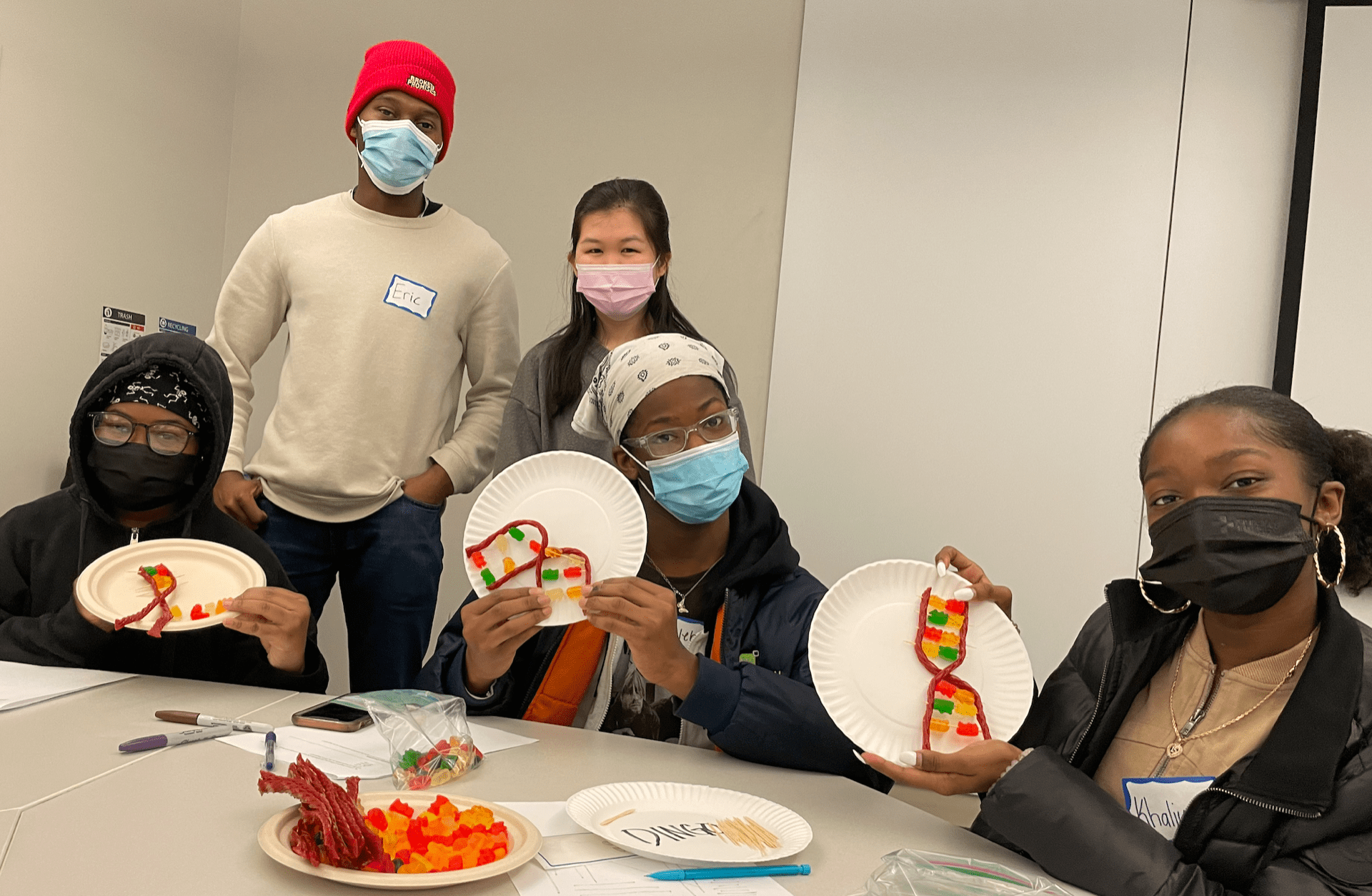
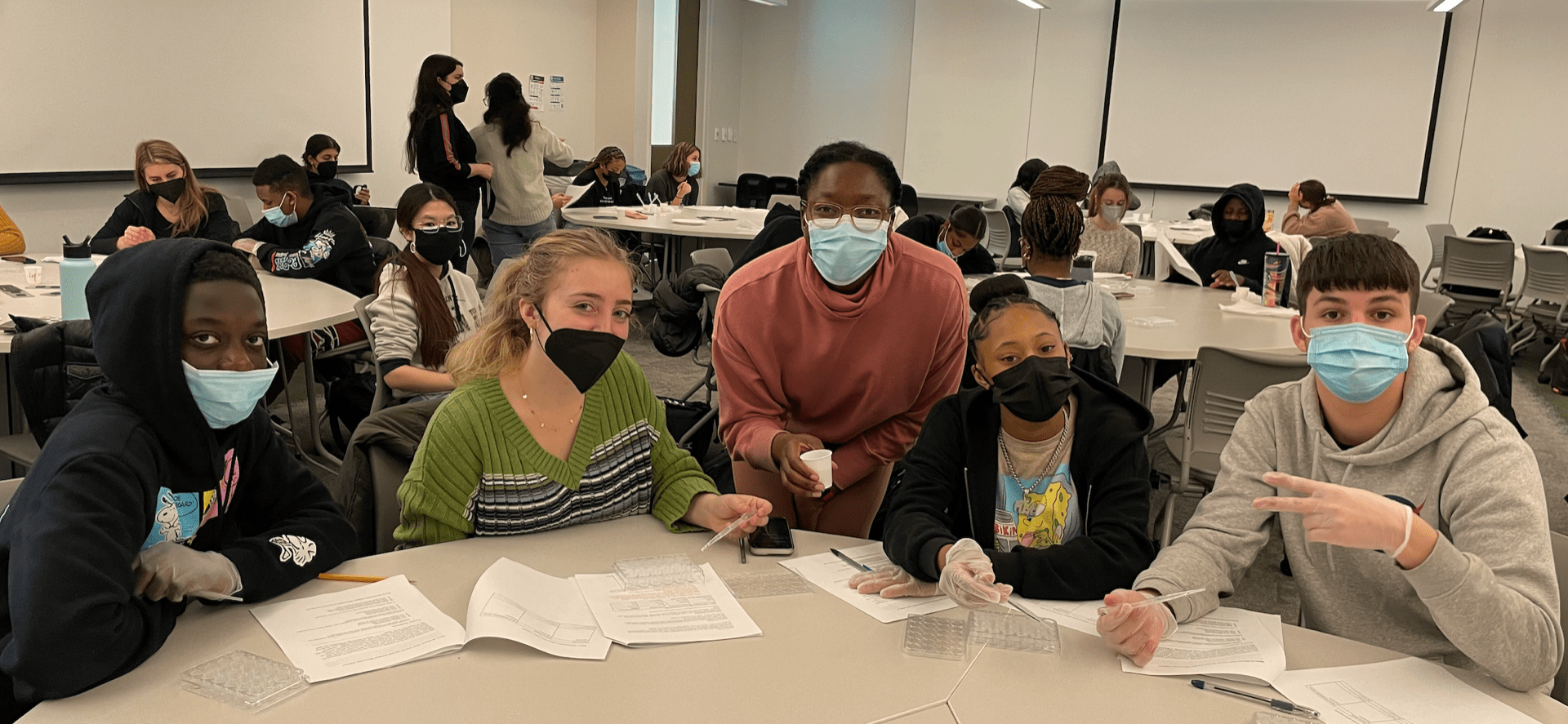
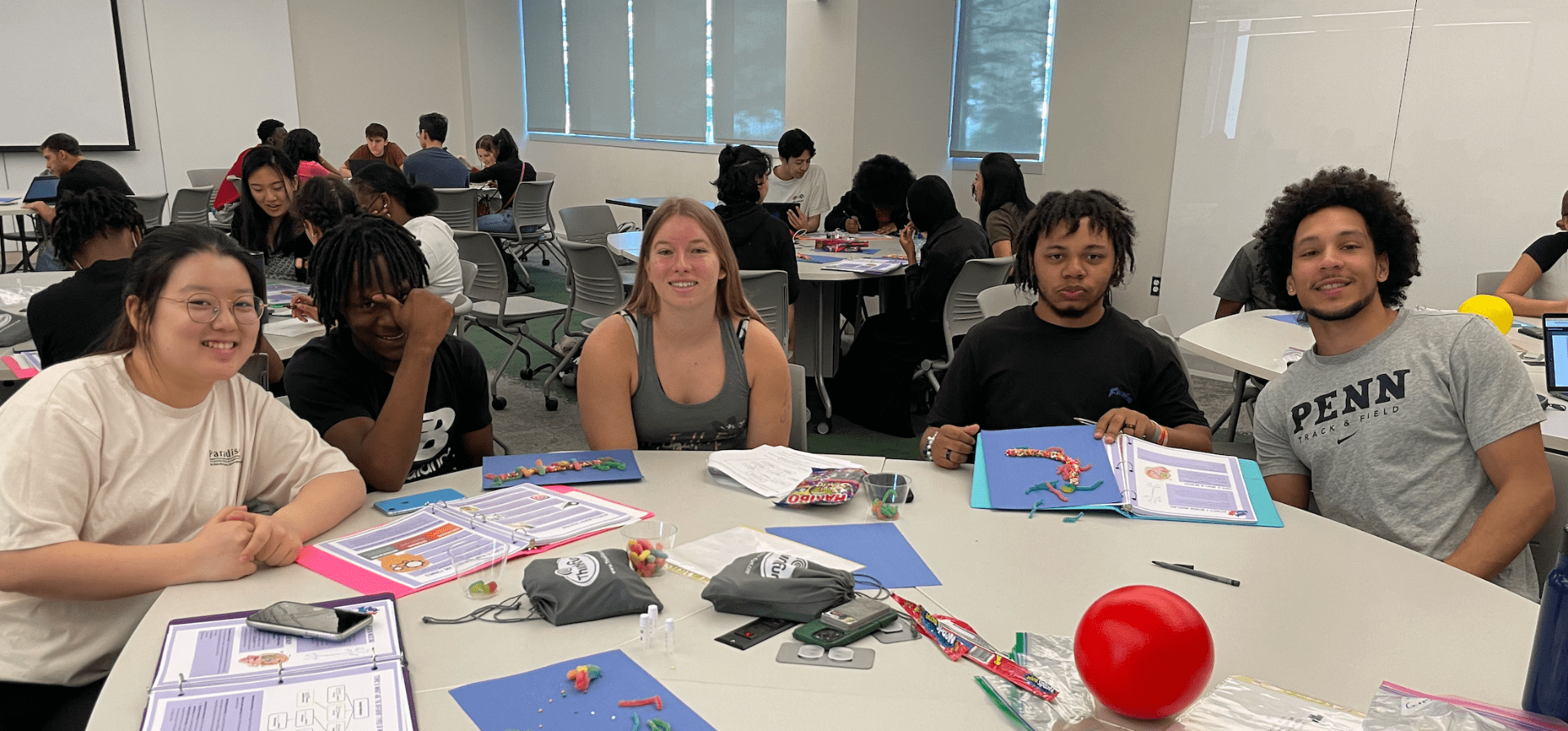
Everyday Neuroscience, an academically based community service course, complements the traditional content-based neuroscience curriculum by preparing Penn students to meaningfully deploy their knowledge beyond the traditional campus, building skills in communication, innovation, and critical thinking. The neuroscience-based lab activities are designed to reinforce fundamental biological concepts for Paul Robeson High School students, such as cell theory, diffusion and osmosis, protein function, organ structure-function relationships, evolution, and genetics.
The teachers, administrators, and students at Robeson are vital to the success of the course. Penn’s Netter Center for Community Partnerships also provides generous guidance and support. Research is conducted year-round to discover improvements to the course’s impact for both Robeson High School students and Penn students.
Everyday Neuroscience featured in Penn Today:
https://penntoday.upenn.edu/news/penn-netter-center-science-and-service